Greek shipping manages over 20% of the global fleet, while Greece’s economy accounts for just 0.2% of the global GDP. Today, the industry faces a historic opportunity: to lead the global effort for sustainable development. In the context of the 2nd Working Conference of the Komvos, the importance of ESG (Environment, Society, Governance) as a strategic tool that can strengthen Greece’s position at the forefront of the shipping industry was highlighted.
The Challenge of Decarbonization
The journey towards sustainability begins with a crucial challenge: decarbonization. Shipping, responsible for 80% of global transport work, accounts for 2.5-3% of global CO₂ emissions. As part of a broader effort, the industry is tasked with reducing emissions to zero by 2050. Achieving this goal requires trillions of dollars in investment in cutting-edge technologies. However, this is not just an environmental responsibility issue; it is also a matter of competitiveness, as global markets are shifting toward “clean” solutions.
This transition cannot be achieved without coordinated action. The ideas presented at the conference emphasized the importance of innovation, strategic financing, and collaboration. Investments in new fuels, as well as practical solutions such as improving the energy efficiency of ships and even reducing their speed, highlight the need for long-term planning, coordination, and support.
Shipping Innovation Hub
Greece, with its excellent businesses, has all the prerequisites to become a center of maritime innovation. However, challenges such as the lack of certification laboratories and the need for access to specialized financing require targeted interventions. The role of banks and financial organizations is crucial, as they form the backbone that supports investments in the sector.
Strategic investments can accelerate the transition by offering shipowners the opportunity to invest in green technologies. At the same time, creating a Maritime Research and Development Center in Greece could act as a collaboration hub, strengthening the international presence of Greek shipping. The integration of ESG is not only a challenge for shipping. It is an opportunity for Greek society and the economy to redefine their relationship with the environment, innovation, and responsible governance. Greek shipping has the potential to not only lead the sustainable transition but also serve as a model for other sectors of the economy.
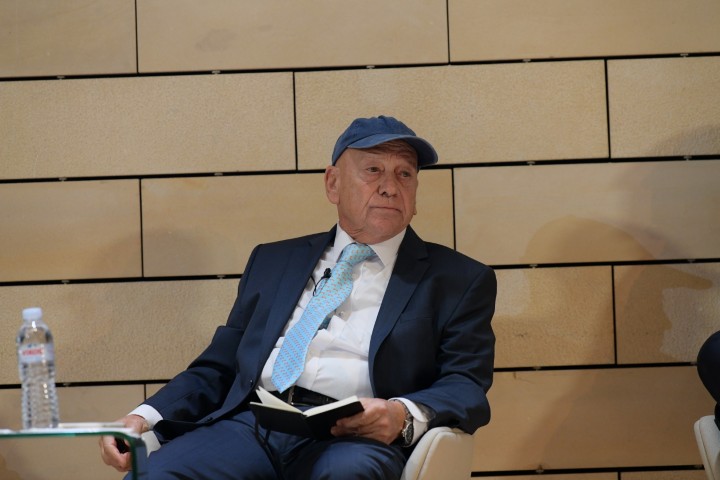
George Prokopiou, Founder of Dynacom, Sea Traders & Dynagas, Owner of Skaramangas Shipyards, Member of the Komvos Advisory Committee
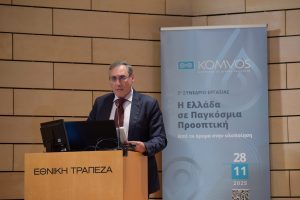
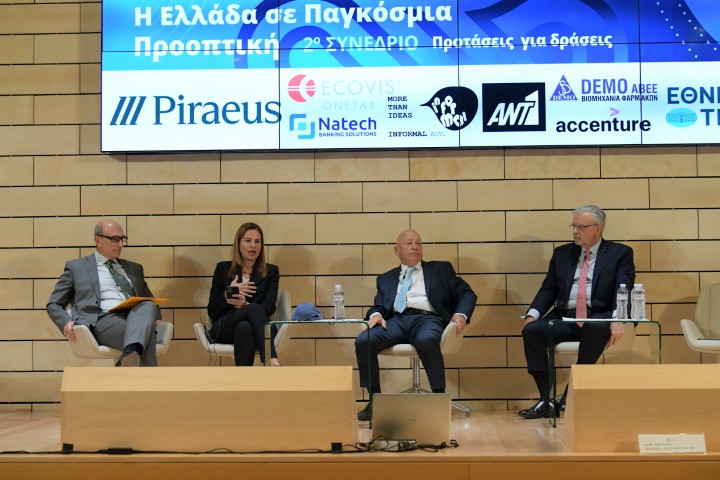
The discussion took place within the framework of the 2nd Annual Conference of the Komvos, which was held at the Karatzas Hall of the National Bank of Greece and organized by the Vice President of Komvos, Professor Michael Haliassos. The panel marked the launch of Komvos’ new initiative, coordinated by the Treasurer of Komvos, entrepreneur Harris Antoniou, Founder of Neptune Maritime Leasing.
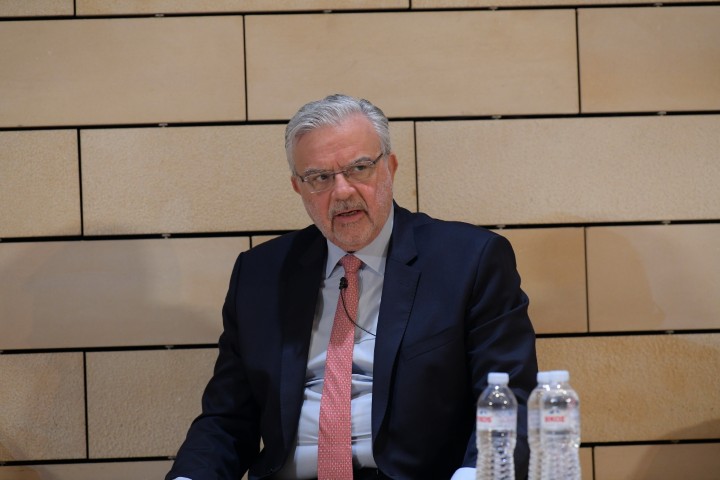
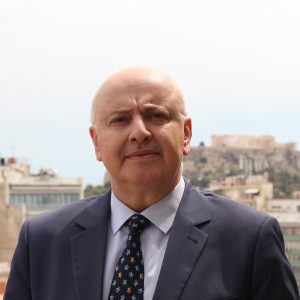
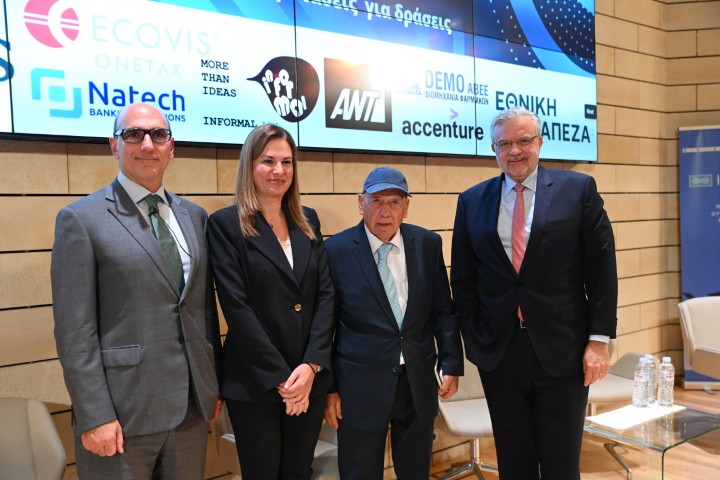
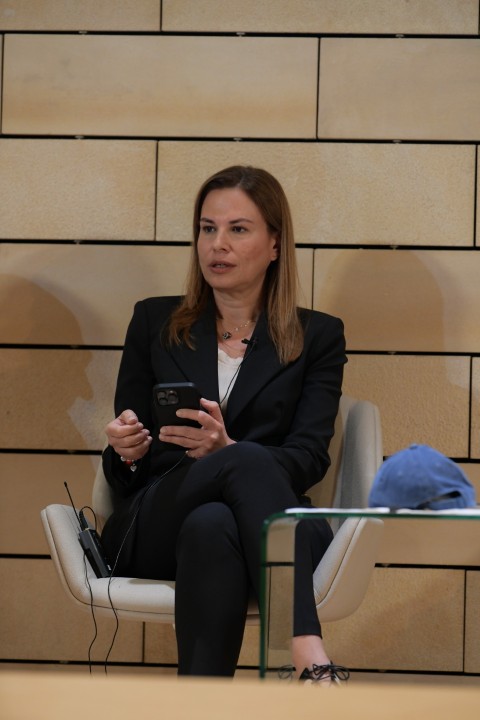
The maritime panel included (in alphabetical order) the CEO of Piraeus Bank, Mr. Megalou, a member of the Komvos International Advisory Committee, Ms. Polychronopoulou, President of HEMEXPO and ERMA FIRST GROUP, shipowner Mr. Prokopiou, member of the Komvos International Advisory Committee, and Professor Hercules Haralambides, Professor of Maritime Economics and Logistics, Founding Member of Komvos.
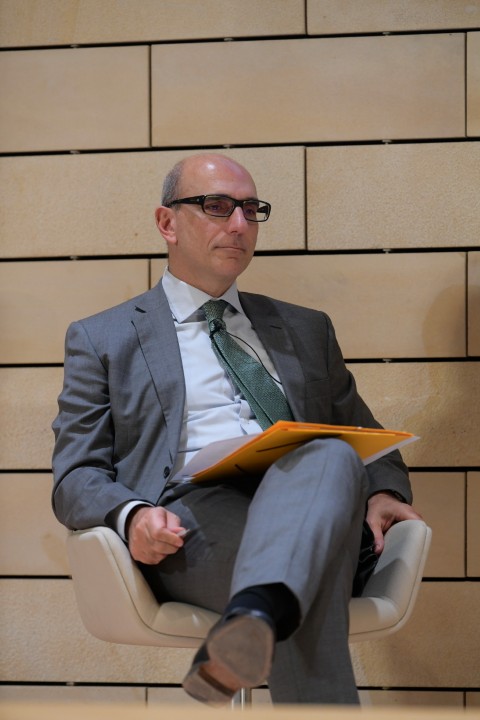
The discussion was moderated by Harris Antoniou, the coordinator of the initiative.

Kómvos would like to express its gratitude to Piraeus Bank for its support in the operation of the Kómvos, which has enabled it to start implementing its vision.
Watch the discussion video here!