The human desire to push beyond limits runs through the history of science, exploration and creativity. Angelos Chaniotis, Professor of Ancient History and Classics at the Institute for Advanced Study in Princeton and a Partner of Komvos, examines what motivates this pursuit, when expansion becomes domination, and how creativity connects with the need to leave something behind.
What turns observation into progress?
An everyday observation can open the way to a discovery. The effects of fire on clay or food provide Angelos Chaniotis with examples of how experience helped shape material culture. Similarly, the familiar stories about Archimedes and Newton connect scientific thinking with seemingly ordinary incidents.
Chance, however, explains only part of this process. Education, personal experience, social surroundings and character influence how individuals use what they observe. More broadly, the historian identifies a shared motivation: the human refusal to regard the limits of knowledge and ability as insurmountable.
This attitude drives the pursuit of knowledge, technological development and efforts to understand the world. It also finds expression in the accumulation of possessions and the quest for more space.
Expanding the boundaries of space, time and thought
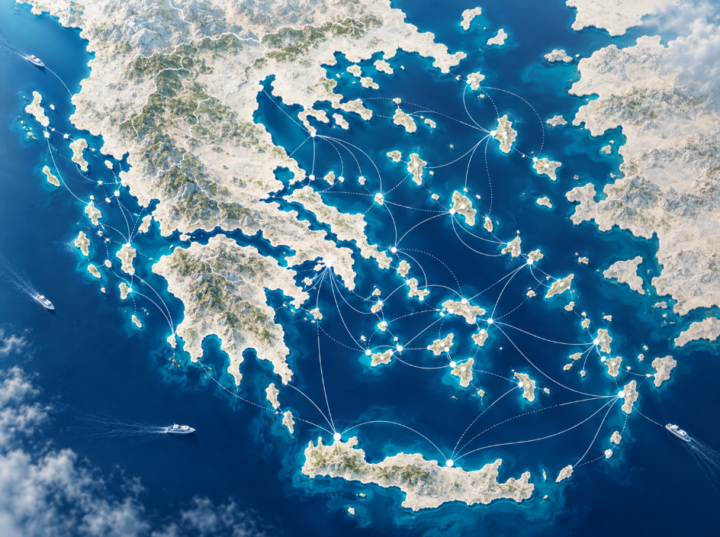
Human settlement spread to new territories, while exploration extended to the oceans and outer space. Each new field of inquiry widened the scope for action and raised further questions.
A similar expansion took place in the use of time. Technological advances allowed activities once dependent on daylight to continue after sunset. Night acquired a different place in everyday life.
In thought and expression, the same impulse encourages the reassessment of scientific assumptions, the search for new artistic and literary forms, and the examination of philosophical or religious beliefs. Inherited knowledge becomes a starting point for further inquiry.
When expansion becomes domination
The pursuit of greater possibilities also has consequences for others. In a world with finite space, continuous expansion can lead to conquest and coercion. One community’s growing power often restricts another’s territory or freedom.
Prof. Chaniotis turns to Genesis and the oath sworn by young Athenians. In the biblical injunction, he identifies a claim to dominion over the earth; in the Athenian oath, an obligation to pass on a larger and stronger homeland. These examples show how deeply the pursuit of expansion is connected with ideas about humanity’s purpose and the citizen’s duty.
This historical perspective raises a question about the meaning of progress: the impulse that encourages discovery can also serve the accumulation of power.
The desire for something of our lives to endure
Death is the most personal boundary. Human beings can imagine and plan for a future extending beyond their own lives. Prof. Chaniotis connects this ability with both beliefs in an afterlife and the desire to be remembered.
A lasting reputation preserves the memory of a person and their work after death. The Homeric reference to imperishable glory, alongside a similar idea in the Sanskrit Vedas, reveals the depth of this aspiration: achievements can remain in collective memory longer than their creators live.
“This desire for a form of survival beyond the end of our mortal existence is a powerful motivation in our lives.”
This need finds expression in family life, in caring for descendants and in what is passed on to them. It also takes the form of philanthropy, art, literature, scientific discovery or dedication to an idea.
In Angelos Chaniotis’ analysis, the prospect of such continuity can prove more compelling than the temporary satisfaction of wealth, success or power. The desire to push beyond our limits thus meets the need for our passage through life to have lasting significance: through what we contribute, create and leave in the memory of others.
This text presents the main arguments of Angelos Chaniotis’s article “The Enduring Human Need to Push Beyond Limits”, published in Greek on Capital.gr on 16 October 2026. The quotation has been translated from the Greek original.