Ports, shipyards and logistics at the heart of the new maritime reality
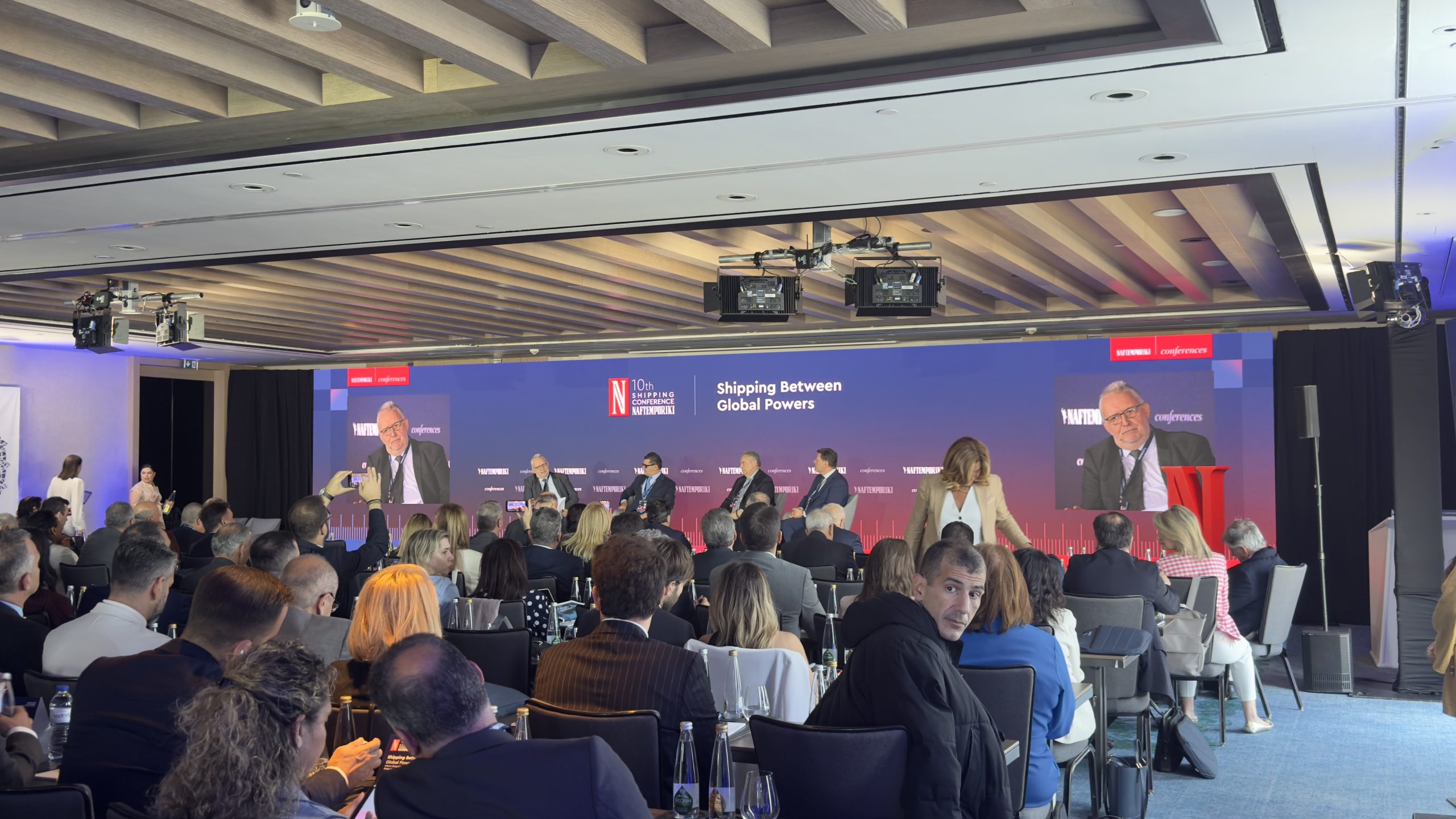
At the 10th Naftemporiki Shipping Conference, titled “Shipping Between Global Powers”, held on 20 May 2026 at the Four Seasons Astir Palace Hotel Athens, the discussion on international shipping focused on the new geoeconomic balances, the challenges facing ports, the shipbuilding industry, and the role of logistics in an environment of increased uncertainty.
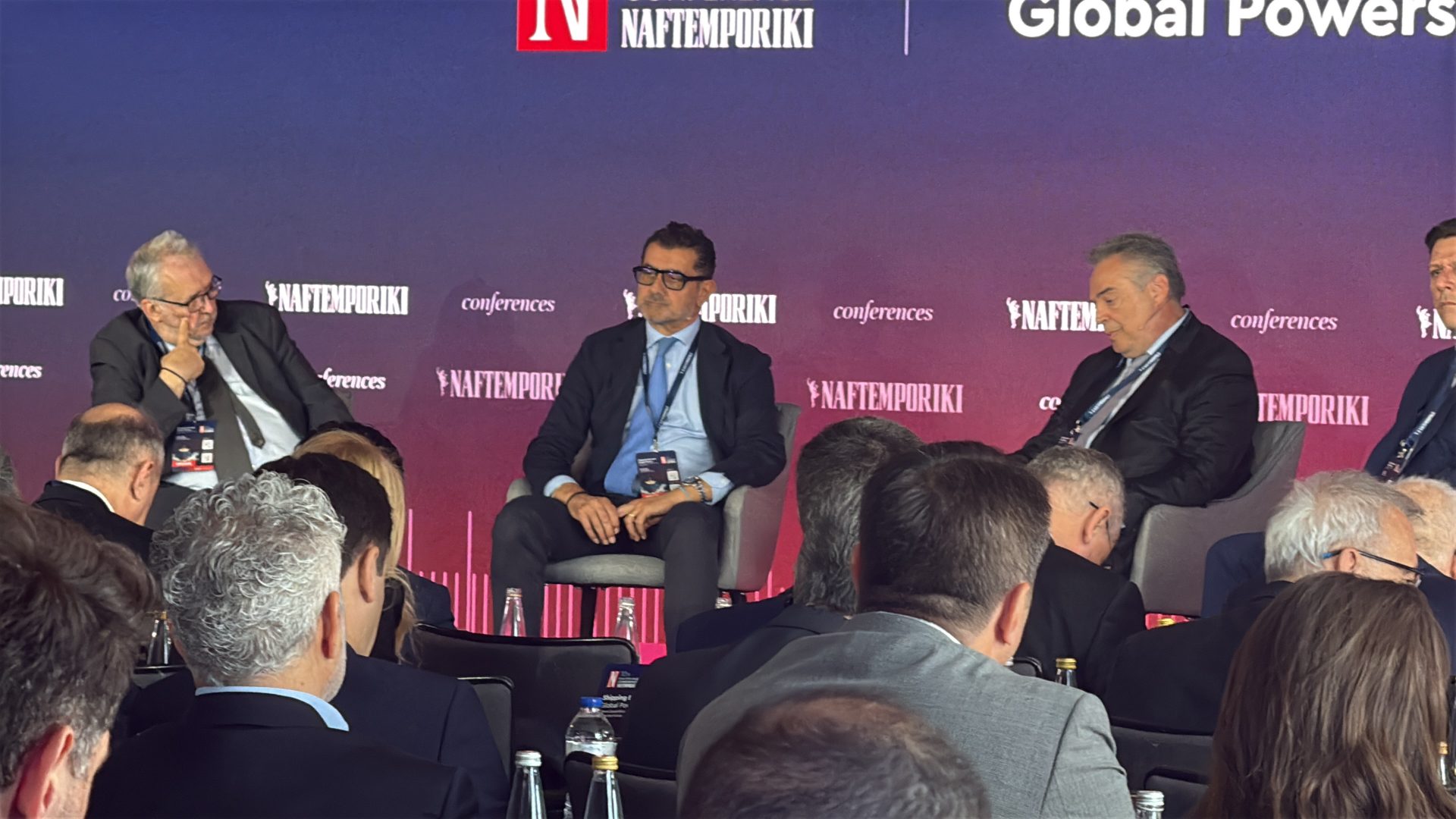
In this context, Dr. Sotirios Theofanis, Professor and Director of the MSc in Shipping and Port Management at City College, University of York Europe Campus, Partner of Komvos and Coordinator of the Advisory Committee for the Shipping & ESG Initiative, moderated the session “Ports, Shipbuilding & Logistics”.
The session featured Gianni Onorato, CEO of MSC Cruises Ltd.; Miltiadis Varvitsiotis, CEO of Skaramangas Shipyards; and Angelos Karakostas, Deputy CEO of Piraeus Port Authority / PPA S.A.
Why ports, shipyards and logistics are now discussed together
One of the key points of the discussion was that ports, shipyards and logistics are no longer separate fields of policy and business strategy. Instead, they operate as interconnected elements of a broader maritime ecosystem.
This connection is particularly important for Europe, which is seeking to redefine its maritime and port strategy at a time when global trade flows are being affected by geopolitical tensions, changes in sea routes, growing resilience requirements, and the need for investment in green and technologically upgraded infrastructure.
The shipbuilding industry as a critical link in European competitiveness
Particular emphasis was placed on the need to strengthen Europe’s shipbuilding base. As highlighted during the discussion, Europe has lost a significant part of its global shipbuilding presence over recent decades and is now called upon to link the maritime transition with real industrial capabilities.
The reactivation of Greek shipyards, the development of repair and construction capabilities, the connection with defence programmes, and the need for specialised human resources emerged as critical issues for the next phase.
The role of Piraeus and investment in port infrastructure
The discussion also highlighted the strategic role of Piraeus as a hub connecting maritime transport, logistics, cruise activity and combined transport. The strengthening of infrastructure, the upgrading of the passenger experience, green development, and the use of digital and technological tools, including artificial intelligence, were presented as key conditions for maintaining and enhancing the port’s competitive position.
In an environment where crises along sea routes and geopolitical tensions affect trade flows, investment in port infrastructure is not merely a development option, but an element of resilience.
Cruise, tourism and the need for a coordinated strategy
Cruise activity emerged as a sector with strong growth potential for Greece and the Eastern Mediterranean, but also as an area requiring careful management. The development of cruise activity is linked to the quality of port infrastructure, destination management, cooperation with local communities, and the ability to shape a clear, long-term strategy.
The discussion showed that Greece has significant advantages, but also needs coordination among the public sector, ports, businesses, investors and local stakeholders.
Human resources and new skills
A significant part of the discussion focused on the need for specialised human resources. In ports, shipyards and logistics companies, technical skills, training, reskilling and the attraction of new professionals are critical factors for the sector’s competitiveness.
The shortage of specialised personnel is not only a Greek phenomenon, but an international challenge. For Greece, however, it is directly linked to the possibility of reindustrialisation, technological upgrading and the creation of stable, high value-added jobs.
The link with Komvos’ Shipping and ESG Action
For Komvos, this discussion is directly linked to the strategic direction of its Shipping and ESG Action. The transition of shipping is not only about fuels or emissions. It concerns ports, shipyards, logistics infrastructure, investment, technology, human resources and the country’s ability to strengthen its role in a changing international environment.
Dr. Theofanis’ presence and moderation of the panel highlight precisely this connection: the need to approach Greek shipping not in a fragmented way, but as an integrated ecosystem of infrastructure, knowledge, technology, investment and sustainable development.
Frequently Asked Questions
What was the main topic of the “Ports, Shipbuilding & Logistics” panel?
The panel examined the role of ports, shipyards and logistics in the new international maritime reality, with emphasis on geopolitical changes, investment, infrastructure resilience, and the need for technological and industrial upgrading.
Why is this discussion important for Greek shipping?
Because the competitiveness of Greek shipping is increasingly connected to the quality of port infrastructure, the availability of shipbuilding and repair capabilities, the efficiency of logistics, and the existence of properly trained human resources.
How is the topic connected to ESG?
The connection with ESG concerns the green transition, infrastructure resilience, corporate governance, the social dimension of investment, and the development of skills that will support a sustainable maritime economy.