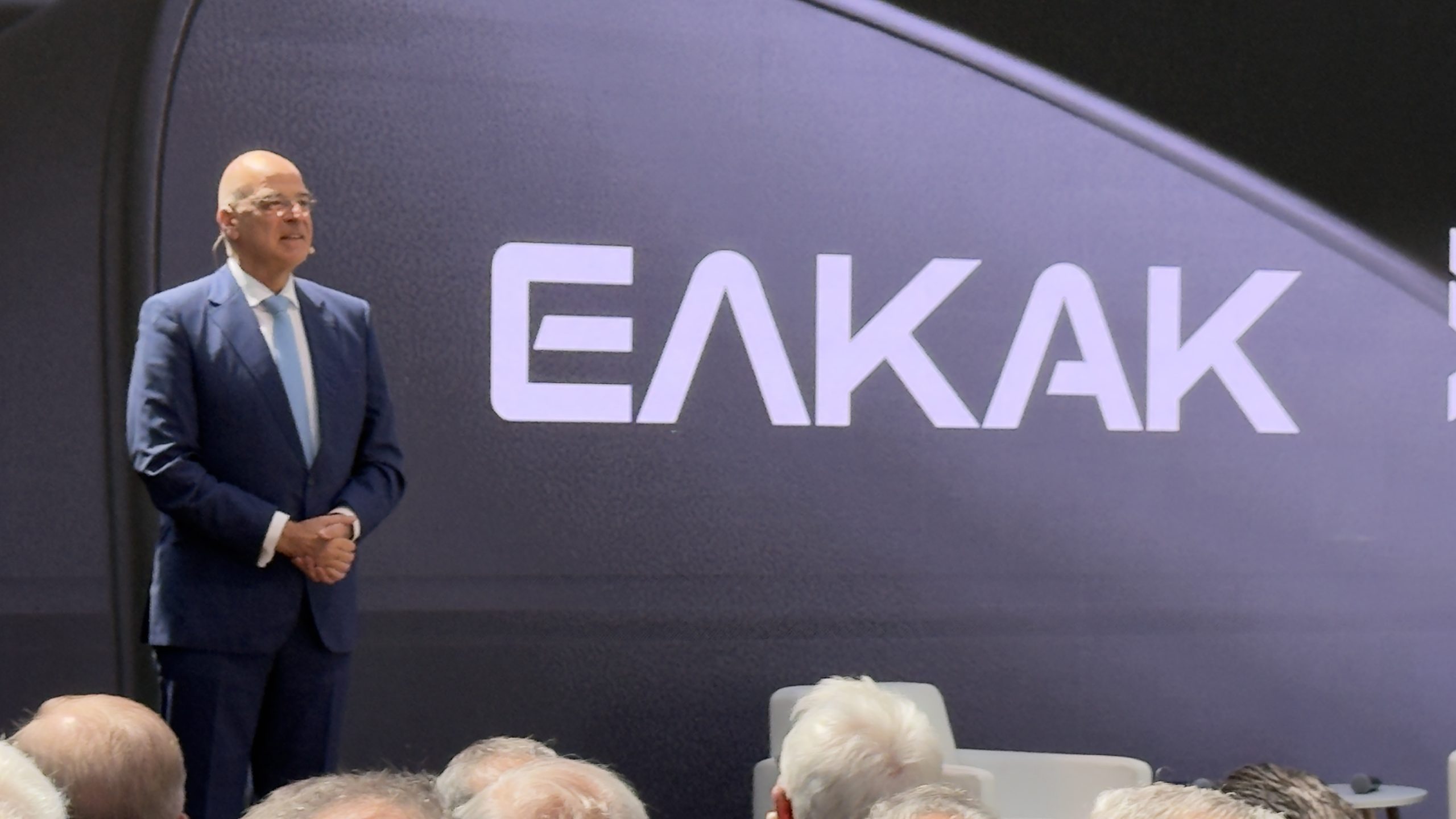
Two Years of ELKAK: Review – Results – Strategic Outlook
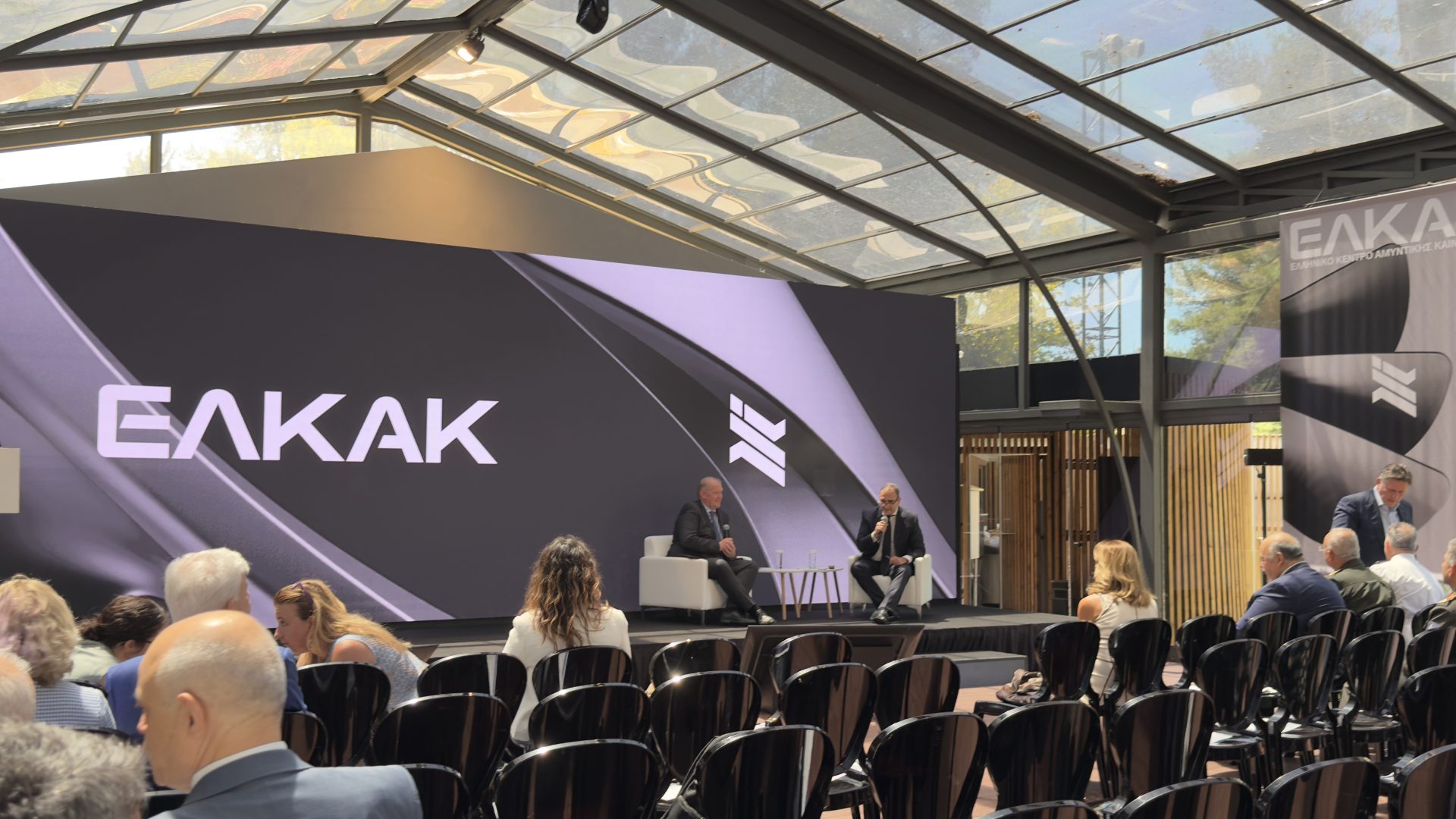
The event of the Hellenic Centre for Defence Innovation – ELKAK, entitled “Two Years of ELKAK: Review – Results – Strategic Outlook”, highlighted a critical dimension of the country’s contemporary development and technology policy: the connection of national defence with innovation, research, entrepreneurship and the productive base.
The presentation of ELKAK’s results during its first two years demonstrated that defence innovation can serve as a field for the practical application of new technologies, as well as a mechanism for strengthening the country’s technological autonomy.
What is ELKAK and why does it matter?
ELKAK is the organisation that connects the needs of the Hellenic Armed Forces with the capabilities of the Greek innovation ecosystem. At the core of its mission is the utilisation of Greek know-how, research teams, startups, universities, military academies and businesses for the development of solutions that respond to real operational needs.
The significance of ELKAK extends beyond the narrow field of defence. Defence innovation is linked to technological sovereignty, the industrial base, the production of exportable knowledge and the country’s ability to participate more actively in shaping technological solutions of strategic importance.
From Institutional Establishment to Operational Implementation
The event highlighted ELKAK’s transition from the phase of institutional establishment to the phase of operational implementation. According to the data presented publicly, ELKAK already has completed innovation development projects, projects currently in progress, and new Research & Development initiatives scheduled to begin within 2026.
This picture indicates that a more organised ecosystem is taking shape around Greek defence technology. Military academies, research centres, Greek companies, startups and technology teams are gradually gaining access to testing environments, funding mechanisms and channels of connection with the country’s operational needs.
Defence Innovation and Technological Autonomy
Defence innovation is directly linked to technological autonomy. In an international environment where artificial intelligence, robotics, autonomous systems, sensors, networks and data platforms are radically transforming defence and security, Greece is called upon to strengthen its capacity to produce and co-shape technological solutions.
This transition is of strategic importance. The country gains a greater capacity to utilise its human capital, strengthen the domestic production of technology and create solutions that can generate value both for national defence and for the wider economy.
The Importance of Dual-Use Technologies
One of the most important elements of the discussion is the emergence of dual-use technologies. These are technologies that can be used in both defence and civilian environments.
Such solutions can find application in civil protection, the protection of critical infrastructure, maritime security, network resilience, natural disaster management, cybersecurity and data infrastructure. According to public references from the event, dual use is now becoming a dominant strategy for a significant part of the startup ecosystem active in the field of defence innovation.
In this sense, investment in defence innovation can act as a multiplier of knowledge, productivity and technological maturity for the country as a whole.
Greek Participation in the European Defence Fund
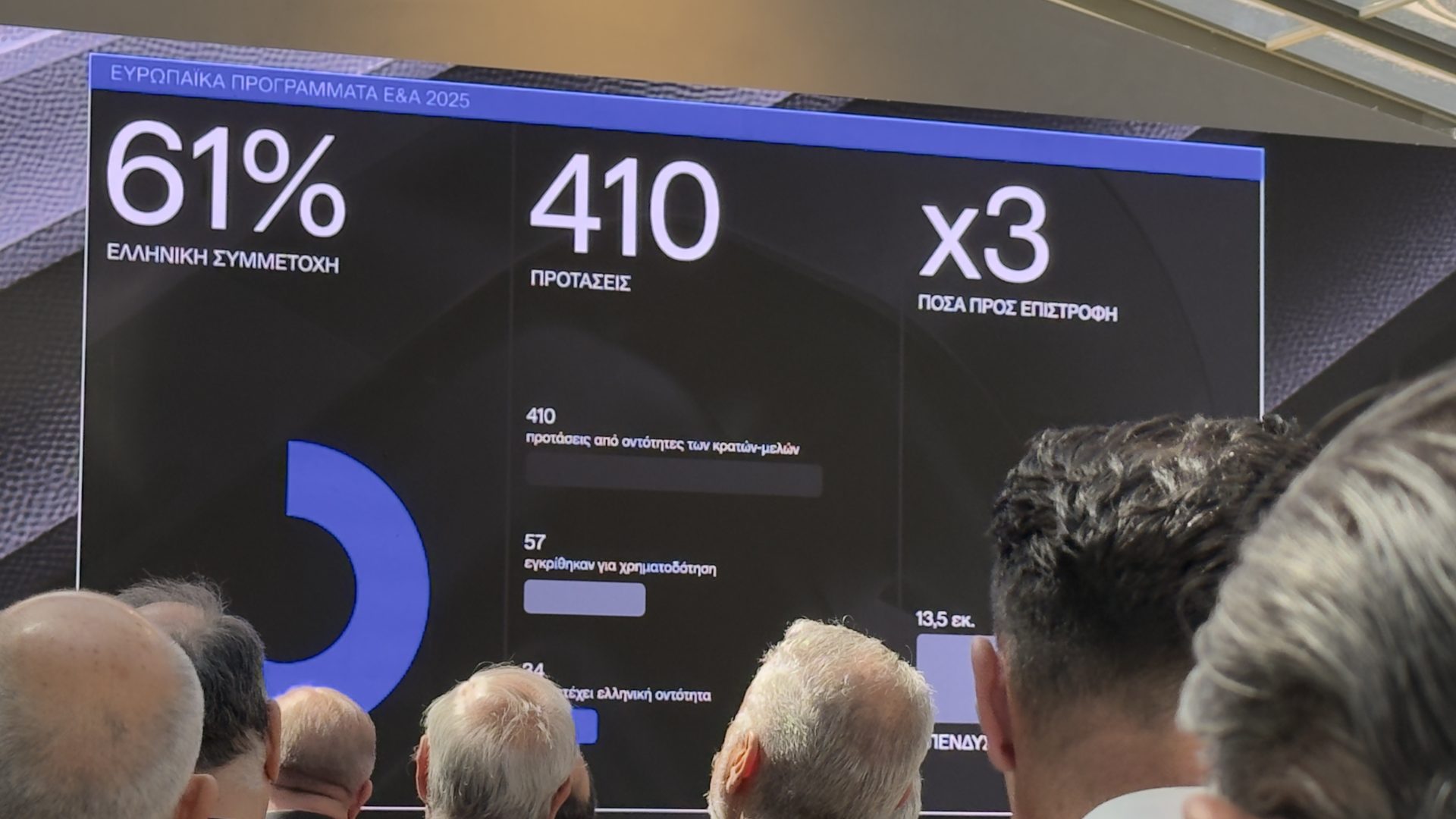
The event also highlighted the importance of Greek participation in the European Defence Fund (EDF). Public reports point to a strong Greek presence in approved EDF proposals, indicating that the Greek ecosystem can claim a role in high-technology European partnerships.
The European dimension is critical. Defence innovation is now evolving into a field of international cooperation, funding, industrial policy and technological competition. For Greece, participation in these networks can strengthen outward orientation, the transfer of know-how and the ability of Greek companies to become part of wider value chains.
The Connection with Komvos
For Komvos, the discussion on defence innovation is of particular interest. The development of knowledge ecosystems, the activation of the diaspora, the connection of researchers and businesses, the use of artificial intelligence and the strengthening of Greece’s presence in areas of strategic importance are fields in which Komvos can contribute through knowledge, networking and institutional interconnection.
This theme had already been highlighted at the 3rd Annual Conference of Komvos, through the presentation of the ‘Agenda 2030’ of Defense by the Minister of National Defence, Mr Nikos Dendias. The presentation stressed the need to connect technology, innovation and national defence, as well as the transition towards a defence ecosystem that produces solutions, utilises Greek know-how and connects the Hellenic Armed Forces with research, production and the country’s human capital.
The experience of ELKAK shows that innovation acquires real value when it is connected with specific needs, testing environments, maturity mechanisms and implementation capabilities. This model is also relevant to other sectors in which Greece has human talent, scientific capital and international potential.
From Fragmented Innovation to Organised Ecosystems
The ELKAK event highlighted a broader national challenge: the transition from fragmented innovation to organised ecosystems for the production of technology.
Greece has scientific talent, entrepreneurial teams, research structures and a strong diaspora. The next step is their systematic connection with real needs, funding instruments, testing environments, maturity mechanisms and international markets.
This transition concerns defence, but it extends beyond defence. It concerns the country’s ability to produce knowledge, transform it into applicable technology and connect it with security, the economy and its international position.
Frequently Asked Questions
What is ELKAK?
ELKAK, the Hellenic Centre for Defence Innovation, is an organisation that connects the needs of the Hellenic Armed Forces with the Greek ecosystem of innovation, research, technology and entrepreneurship.
What was the theme of the “Two Years of ELKAK” event?
The event focused on the review, results and strategic outlook of ELKAK during its first two years of operation. It presented defence innovation projects, Research & Development initiatives and the next phase in connecting the Greek ecosystem with the needs of defence.
Why is defence innovation important for Greece?
Defence innovation is important because it strengthens deterrence, technological autonomy, the domestic production of technology and the country’s ability to utilise Greek research, startups and businesses in areas of strategic importance.
What are dual-use technologies?
Dual-use technologies are technologies that can be used in both defence and civilian applications. Examples include artificial intelligence, autonomous systems, sensors, networks, cybersecurity and solutions for the protection of critical infrastructure.
How is ELKAK’s work connected with Komvos?
ELKAK’s work is connected with the interest of Komvos in knowledge ecosystems, technological innovation, artificial intelligence, diaspora engagement and the utilisation of Greek scientific talent in areas of strategic importance. This connection had already been highlighted at the 3rd Annual Conference of Komvos, where the presentation of the ‘Agenda 2030’ of Defense underlined the need to combine national defence, technology, production and human capital.