From Vision to the Creation of a Biotechnology and Life Sciences Industrial Ecosystem
In 1999, TIME magazine described the 21st century as the “Century of Biotechnology.” Indeed, over the past 25 years, biotechnology has emerged internationally as one of the most dynamic drivers of economic growth, with impressive applications in healthcare, the pharmaceutical industry, agri-food, and industrial production. Since its founding, Komvos – Networks of the Global Hellenism has prioritized the development of a comprehensive biotechnology and life sciences industrial ecosystem in Greece.
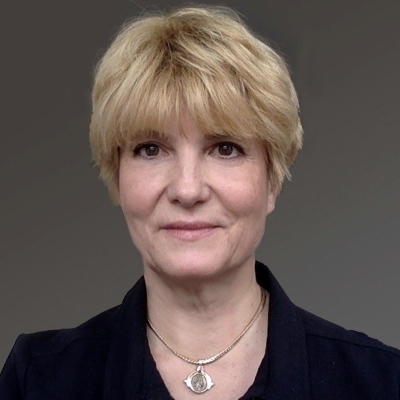
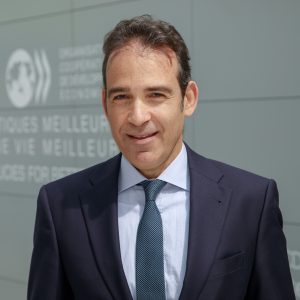
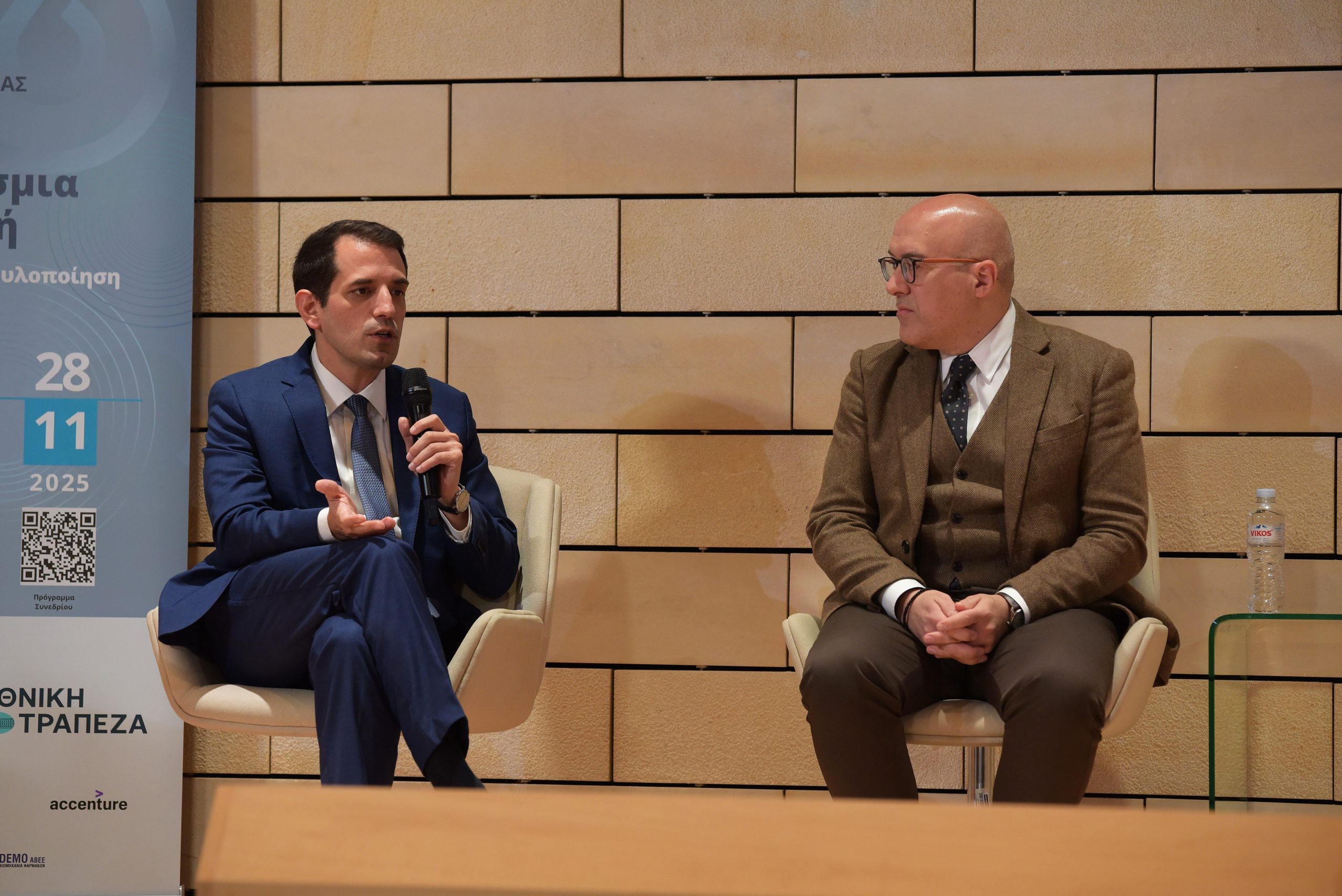
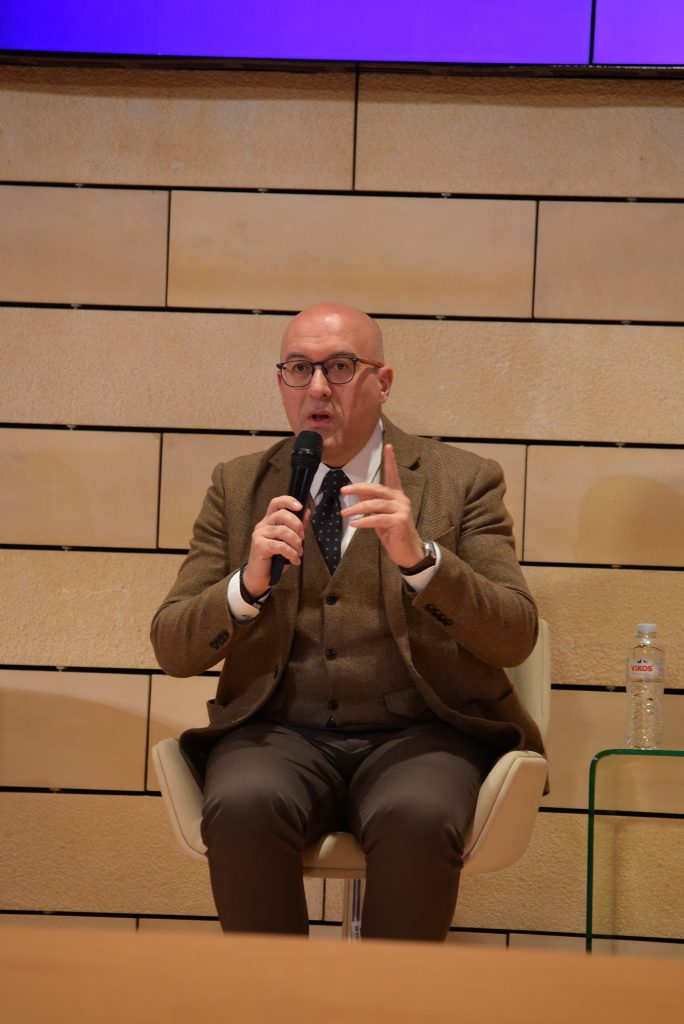
At Komvos’ 3rd Annual Conference, progress on the “Biotechnology Hub” initiative was presented. The initiative is coordinated by Professor Konstantinos Drosatos (Professor of Pharmacology, Physiology, and Neurobiology at the University of Cincinnati School of Medicine, USA, founding member and Secretary General of Komvos). This initiative is being developed in collaboration with Accenture Greece and the ARISTEiA Institute in the USA. Mr. Fotis Panagiotopoulos, Managing Director of Accenture Greece, presented the progress of the initiative’s design at the recent Komvos conference.
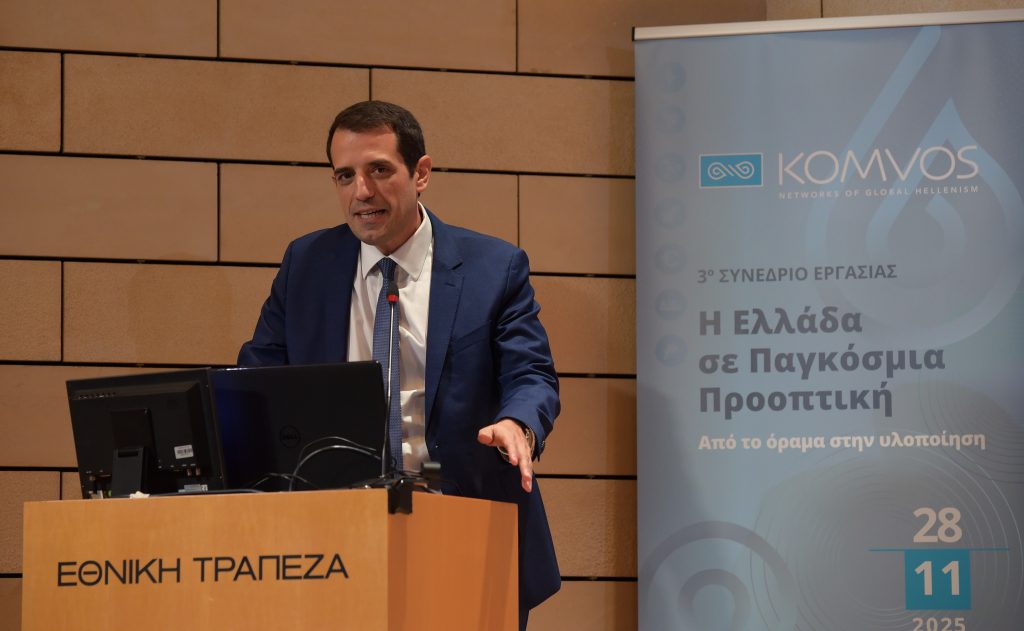
Objective: A Globally Oriented Life Sciences and Innovation Park
The “Biotechnology Hub” initiative is reflected in the design of HeaL-SPRIT (Health and Life Sciences Park in Research, Industry & Training), which will serve as a centralized biotechnology platform with a focus on industrial production, the training of scientific personnel, and research.
Komvos draws inspiration from similar models operating in the USA, such as the Research Triangle Park in North Carolina, and in Europe, like the Leiden BioScience Park, one of the most successful research and innovation ecosystems.
The Role of Komvos – Connectivity, Regulatory Framework, and Social Legitimacy
Komvos designs the initiative with the goal of serving as a catalyst for connectivity between:
government agencies and regulatory authorities,
businesses and investors,
universities, research centers, and scientists of the Greek diaspora.
Specifically, the initiative aims to:
identify regions in Greece that could host such a project,
raise awareness among society and institutions about the strategic importance of biotechnology,
contribute to the adaptation of the relevant regulatory and legal framework,
establish a cohesive ecosystem of trust, where investors feel confident that their resources are utilized with transparency and stability.
Advisory Committee and Study Structure
To implement the initiative, a Scientific Advisory Committee has been established, composed of Komvos members and external volunteer collaborators, including distinguished scientists, professionals from the pharmaceutical industry, market executives, and experts in strategy and communication.
The Committee is organized into thematic groups covering:
Research, health, and education
Manufacturing and industrial development
Strategy and financing
Government relations and communication
The study, conducted with the support of Accenture Greece, consists of eight stages, ranging from mapping the existing landscape to proposals for the operation and sustainability of the biotechnology park.
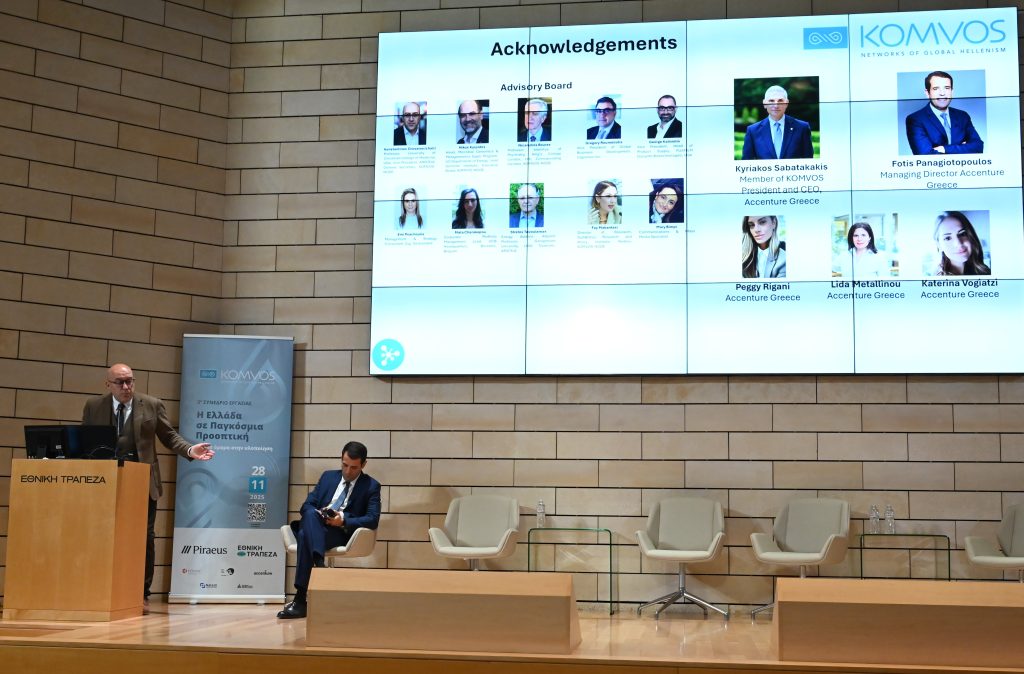
Key Findings: Strengths and Weaknesses of Greece
In his presentation, Mr. Fotis Panagiotopoulos focused on an initial mapping of the Greek and international biotechnology landscape:
Globally, the United States and Canada hold a leading position, while in Europe, France and Spain stand out.
Greece currently has fewer than 20 established biotechnology companies, although an upward trend is observed.
Research and development spending in the pharmaceutical and life sciences sectors remains low but shows steady growth.
The country’s human capital has comparative advantages, reflected in high percentages of tertiary education graduates, including specialized master’s and doctoral degrees.
Research publications by Greek scientists in health and life sciences are noteworthy.
Despite low national research funding, investments in HealthTech and life sciences startups and scale-ups rank among the top three investment categories.
The European Framework: European Biotech Act and Opportunities for Greece
The European Union promotes the strengthening of biotechnology as a strategic sector. The publication of the European Biotech Act is expected in early 2026 and will constitute the first comprehensive framework for European biotechnology strategy.
The Biotech Act is expected to:
harmonize the regulatory framework,
facilitate the translation of research into commercially viable products and services,
improve access to financing,
support the development of skills and human capital in the sector.
Challenges, Trust, and the Role of Greeks Abroad
Professor Konstantinos Drosatos highlighted social skepticism regarding the feasibility of implementing such an ambitious initiative in Greece as the greatest challenge, followed by the need for:
a clear regulatory framework,
political will,
long-term investment.
A crucial role in overcoming these challenges will be played by Greeks in the diaspora, who bring expertise, international collaborations, and access to investors.
Komvos thanks its sponsors: National Bank of Greece, Accenture Greece, Natech Banking Solutions, Informal Advertising, DEMO Pharmaceuticals S.A., Deloitte, ECOVIS OneTax, and Piraeus Bank for supporting Komvos in realizing its vision.
You can watch the full convesation here.