From Public Consultation to Strategic Planning
The Islands at the Centre of the Discussion
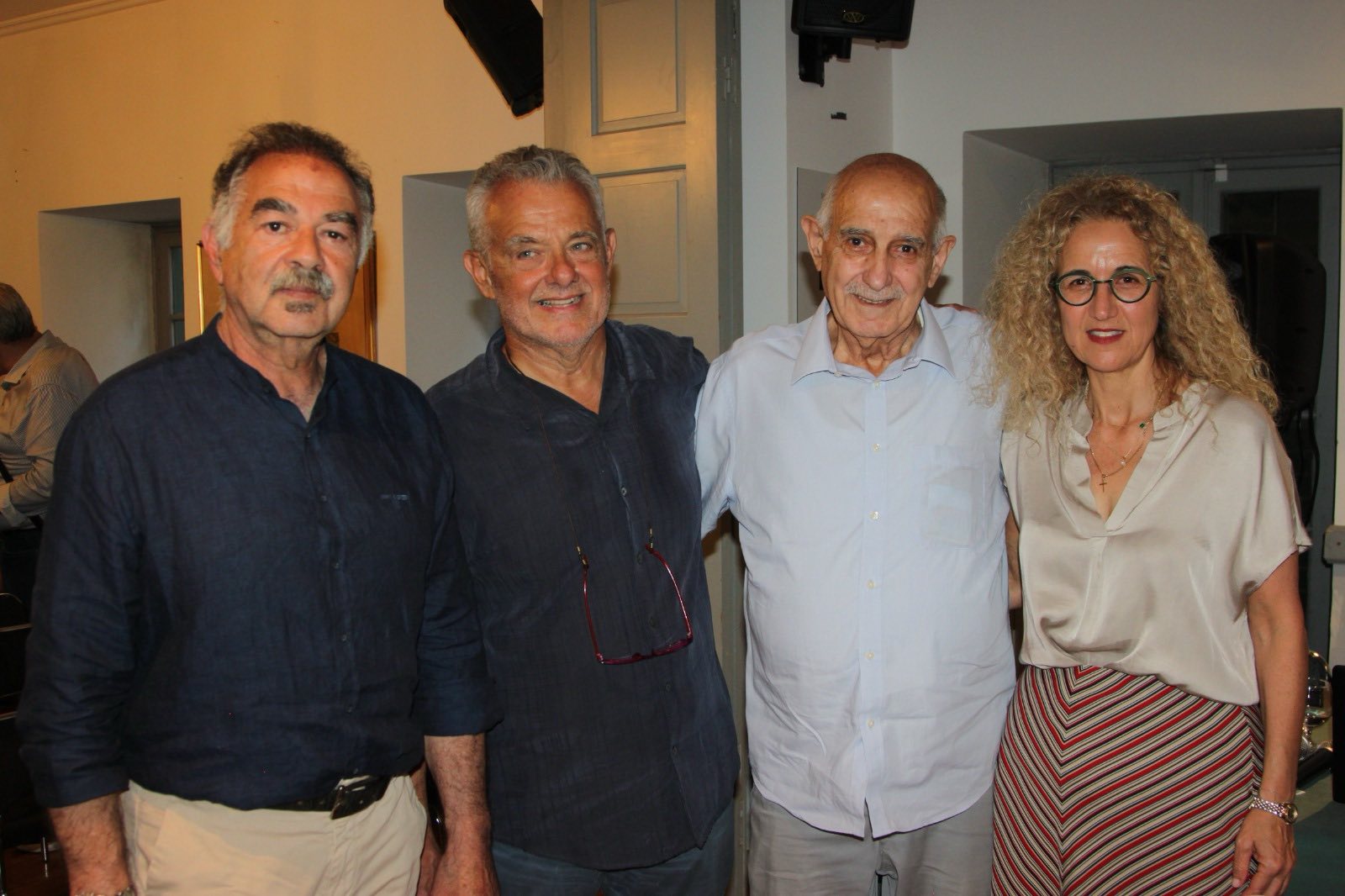
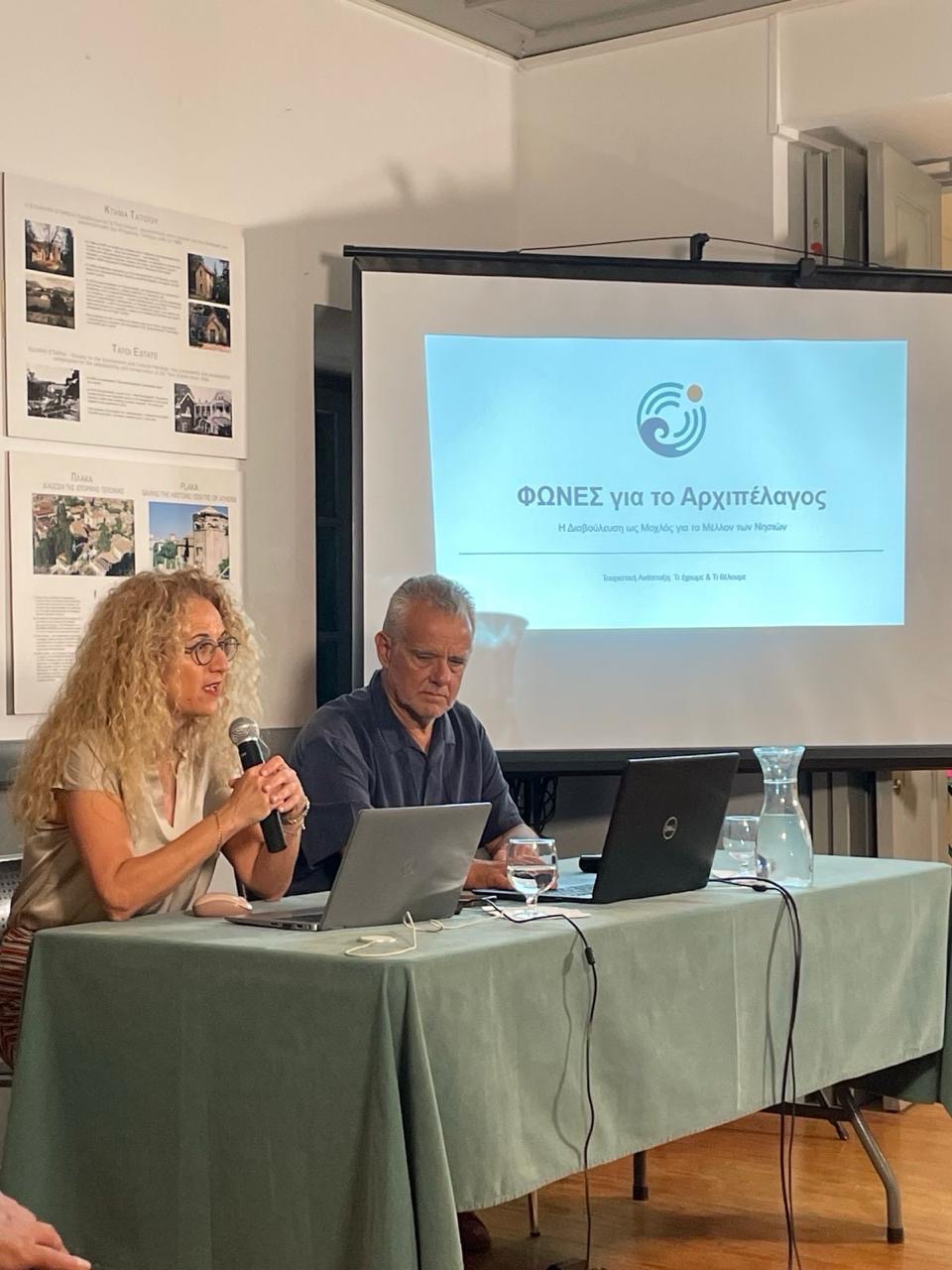
Tourism development in the Greek islands is at the centre of a broader public debate on the development model the country needs in the coming years. In this context, “Voices for the Archipelago” held an open event on Thursday, 28 May 2026, at the premises of the Hellenic Society for the Environment and Cultural Heritage, entitled: “What kind of (tourism) development do we have, what kind of tourism development do we want? Assessing the current situation and formulating proposals in light of the Special Spatial Framework for Tourism.”
The event provided an opportunity for a substantive dialogue on the future of the islands, the resilience of local communities, the protection of natural resources, and the need to move towards a more balanced model of tourism development.
Ioannis Spilanis’ Contribution
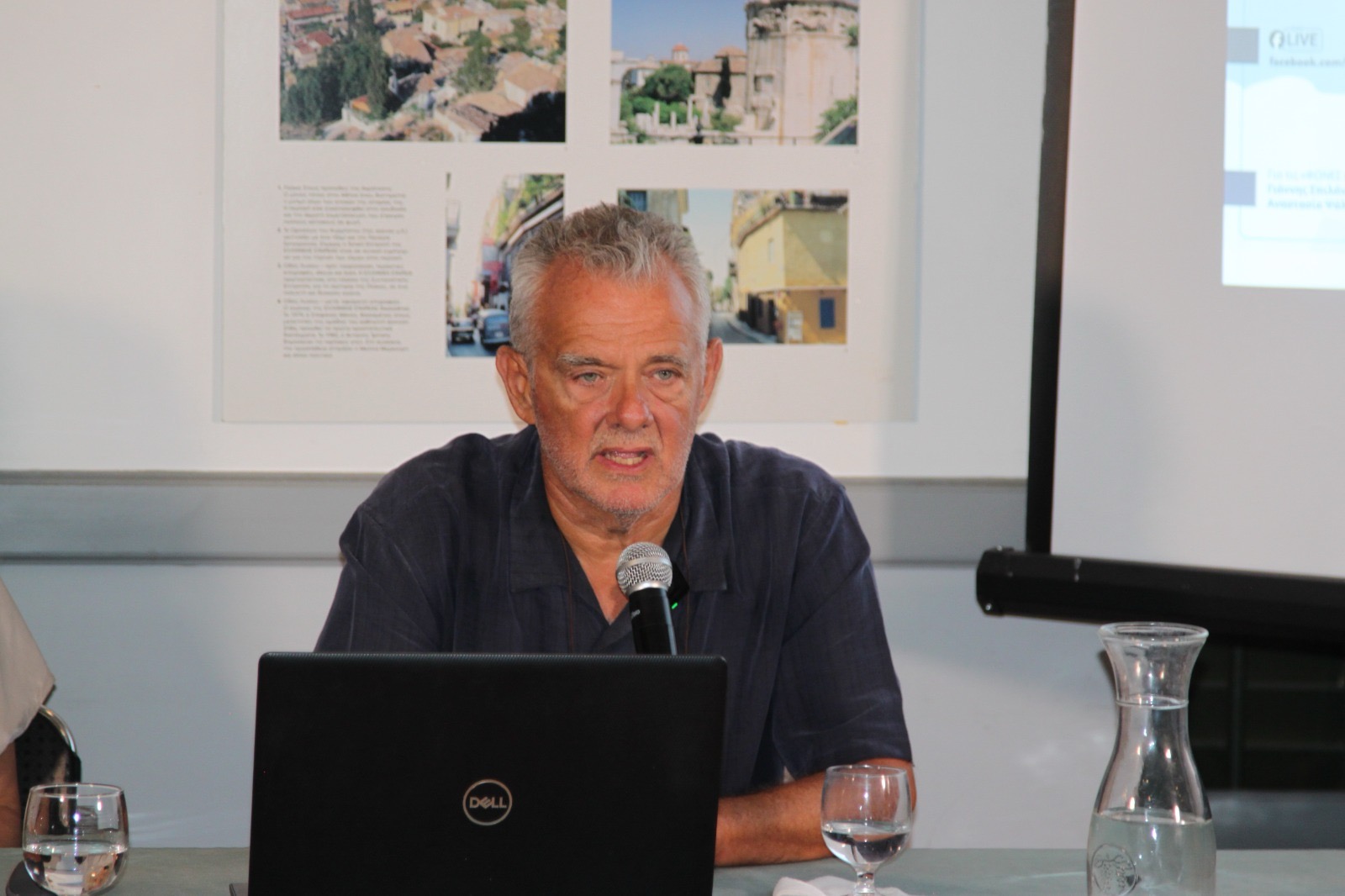
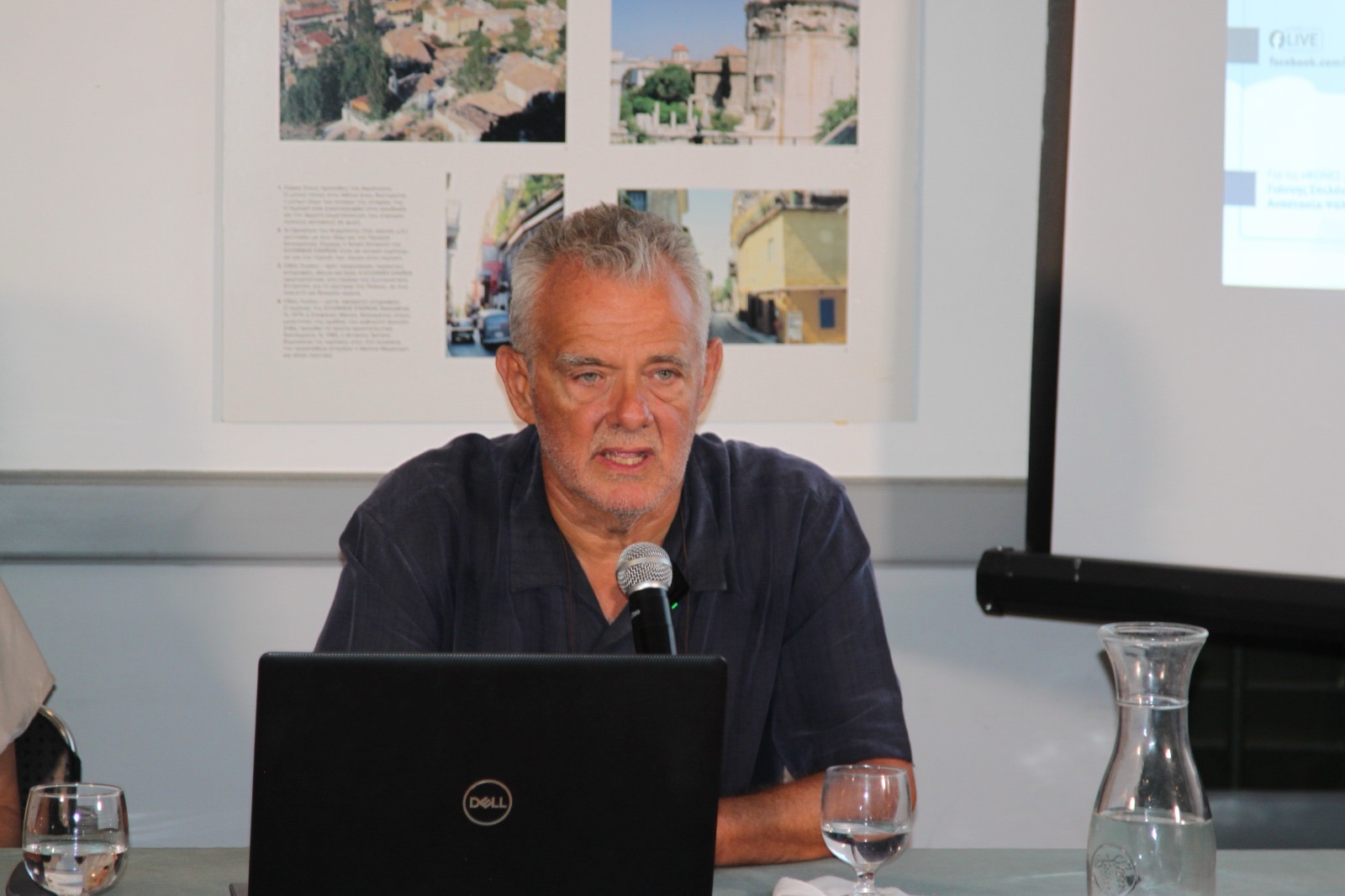
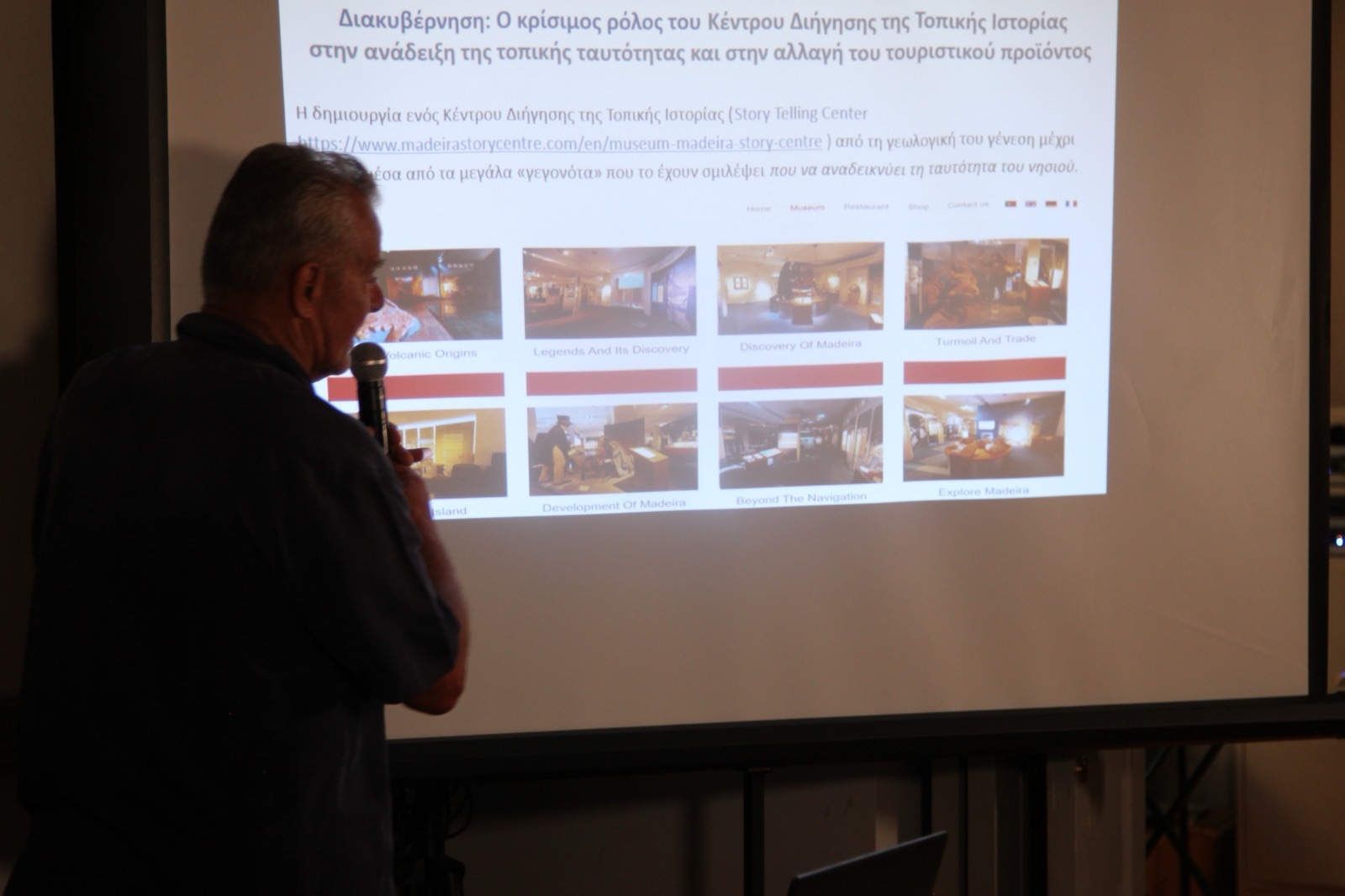
A central contribution to the event was made by Ioannis Spilanis, Professor at the University of the Aegean and Director of the Sustainable Tourism Observatory. Professor Spilanis is the scientific coordinator of “Voices for the Archipelago” and a member of the Advisory Committee of Komvos’ “Tourism and Sustainability” initiative. He presented the study “Tourism and Islands – Tourism Activity, Its Outcomes and Impacts on the Greek Islands – Proposals for the Next Day.”
The study is based on a composite system of economic, social and environmental indicators, as well as on the findings of consultations held in island regions across the country. This approach highlights the need to move from general observations to evidence-based planning, supported by data, indicators and a clear assessment of the impacts of tourism.

From Tourism Growth to Sustainable Development
The discussion highlighted a critical issue: tourism remains a core economic activity for many islands, but its further growth needs to be assessed in relation to the limits and carrying capacity of each place.
Pressure on natural resources, water adequacy, waste management, housing, transport, health services and the protection of local identity are now directly linked both to residents’ quality of life and to the long-term attractiveness of destinations.
In this context, the data presented on tourism intensity, land use, construction activity and the concentration of accommodation capacity indicate that sustainable tourism development needs to be addressed as an issue of spatial planning, social cohesion and environmental resilience.
Carrying Capacity as a Planning Tool
The concept of carrying capacity is of particular importance. The sustainability of a destination cannot be assessed solely on the basis of visitor numbers or the economic performance of tourism. It requires a combination of indicators relating to economic effectiveness, social cohesion, environmental conservation, infrastructure capacity and quality of life.
The methodology presented links tourism to the well-being of the local community. The objective is not simply to increase tourism activity, but to shape a model that generates lasting value for residents, visitors, businesses and the environment.
The Voice of Islanders as a Basis for Policy
Consultation lies at the heart of the philosophy of “Voices for the Archipelago.” The local experience of islanders is treated as an essential element of planning, as permanent residents have first-hand knowledge of infrastructure limits, everyday pressures and the actual resilience of each place.
According to the initiative’s material, consultation transforms lived experience into scientific data, while the active participation of the local community is a prerequisite for the success of any development plan.
The same rationale is reflected in the view that the future of the islands cannot be planned without islanders themselves. Consultation is therefore highlighted not as a formal procedure, but as a fundamental tool of public policy.
Common Ground with Komvos’ “Tourism and Sustainability” Initiative
This approach is closely aligned with the rationale of Komvos’ “Tourism and Sustainability” initiative. Komvos approaches sustainability as a field that combines scientific documentation, consultation, practical solutions and institutional cooperation.
Tourism development needs to be linked to the protection of natural and cultural resources, the strengthening of local communities, the quality of services and the preservation of the distinct identity of each destination. In this context, following initiatives such as “Voices for the Archipelago” contributes to the better preparation and documentation of Komvos’ own initiative.
From the Aegean to the European Debate
“Voices for the Archipelago” has already linked the conclusions of local consultations with the European debate on sustainable tourism, calling for specific consideration of insularity within the framework of European policies.
This dimension is particularly important, as the future of the Greek islands is shaped both by national policies and by European strategies for sustainable transition, climate resilience, resource management and territorial cohesion.
Towards a More Mature Model of Greek Tourism
The event organized by “Voices for the Archipelago” confirms that the discussion on Greek tourism is entering a more mature phase. The question is no longer limited to how much tourism activity can grow, but concerns the kind of tourism that can generate long-term value.
For Komvos, the exchange of knowledge, the promotion of good practices and the interconnection of scientific, social and institutional actors can contribute to the shaping of a new framework for Greek tourism: more evidence-based, more participatory and more resilient.