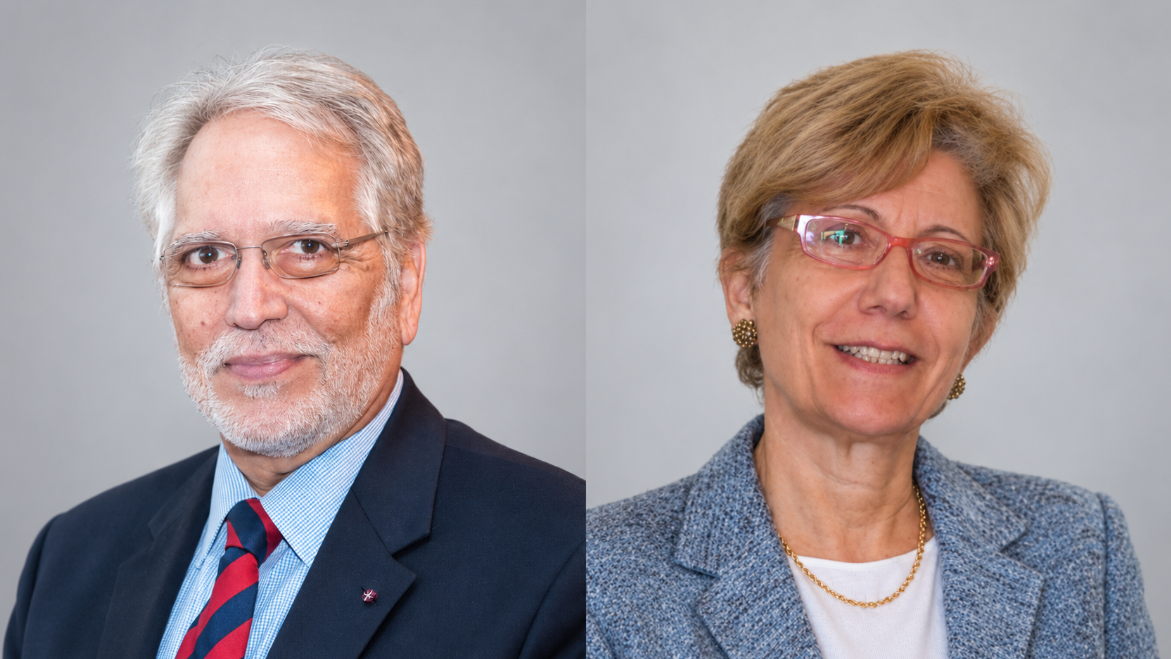
In an article in Kathimerini, George Chrousos and Evi Hatziandreou contribute to the debate on anti-ageing, prevention and the responsibilities of the state.
Healthy longevity is measured by the years during which people retain their independence, functional ability and quality of life. This is the central argument put forward by George Chrousos and Evi Hatziandreou, who focus on the scientific evidence underpinning anti-ageing services and the protection of the public.
In their article “Healthy longevity cannot be bought”, published in the English-language edition of Kathimerini on 26 September 2026, the two authors examine a field where biomedical research, entrepreneurship and the human aspiration for more years of good health converge.
George Chrousos, Emeritus Professor of Paediatrics and Endocrinology at the National and Kapodistrian University of Athens, is President of the Hellenic Institute of Healthy Longevity, a Founding Member and a Partner of Komvos. Dr Evi Hatziandreou is a health care, research and innovation consultant and co-founder of the Hellenic Institute of Healthy Longevity.
Their contribution comes amid intense public debate in Greece following the death of singer Giorgos Mazonakis and the questions raised about wellness and longevity services. The authors refer to the case as a starting point for examining the conditions under which medical procedures are performed and the oversight they require.
What does healthy longevity mean in practice?
Healthy longevity means maintaining physical and mental health, functional ability and the capacity to participate in social life as people age. In Chrousos and Hatziandreou’s approach, success is assessed through everyday life: mobility, mental clarity, human relationships and the ability to care for oneself.
Research into the biology of ageing has broadened our understanding of cellular mechanisms and changes in the body. Tools for estimating biological age are also being developed, while new interventions are under investigation. For the two authors, assessing this progress requires clinical studies, long-term monitoring and clear information about the expected benefits.
They apply the same standard to services already available on the market.
“Every intervention must address three questions: what is the indication, what is the evidence, and what is the risk?” they write.
This position gives the public a practical basis for assessment. Before choosing a service, people need to understand its purpose, the evidence supporting it and who takes clinical responsibility.
Prevention and the responsibility for oversight
Chrousos and Hatziandreou place prevention and structured medical care at the centre of their approach. Their article highlights physical activity, muscle strengthening, the Mediterranean diet and sleep. They also link healthy longevity to the management of risk factors, mental health and social connections.
Their approach extends to regulation and oversight. They call for effective checks on licensing and equipment, clear requirements for performing medical procedures and measures to address misleading advertising. They also emphasise the responsibility of scientific societies to inform the public and make their positions clear.
For Greece, the debate is particularly significant as the population ages and demand for long-term care grows. The authors see opportunities in bringing scientific knowledge together with prevention and the Mediterranean dietary tradition. Realising this potential requires services that deliver measurable results and public access to reliable care.
Their contribution ultimately sets a criterion for the development of the entire field: the quality of life it delivers. Research, innovation and entrepreneurship create social value when their benefits reach people’s everyday lives.
Read the original article in eKathimerini.